


I didn’t go to Europe just to travel.
I went to listen—to cities, to history, to stories that have been echoing long before I ever put words on a page.
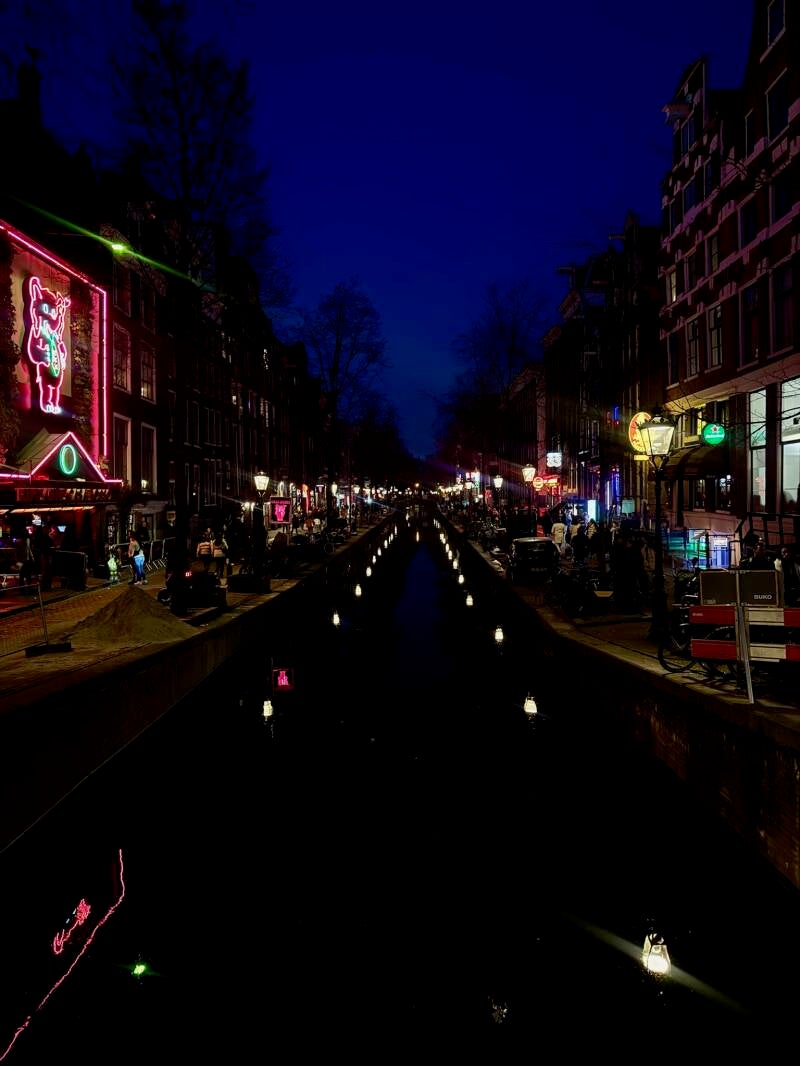
And somewhere between Amsterdam’s canals and the cliffs of western Ireland, I realized something important:
Great writing doesn’t just come from skill. It comes from immersion.
Stories Are Everywhere—If You Know Where to Look
Each stop on this trip felt like stepping inside a different narrative.
In Amsterdam, I found myself inside the Rijksmuseum Research Library—surrounded by centuries of recorded thought. Just days later, I walked through the Anne Frank House, where writing wasn’t just expression—it was survival, legacy, truth.
That contrast stuck with me.
Writing can be academic. It can be historical. But at its core, it’s always human.
And that’s what audiences connect with.
Walking Through Fiction in the Real World
Some of the most surreal moments came from stepping into places that inspired the stories many of us grew up with.
In London, I stood at Platform 9¾, wandered through Goodwin’s Court (said to inspire Diagon Alley), and—yes—walked away with a replica of the Elder Wand.
But it didn’t feel like fandom.
It felt like a reminder: the best stories are grounded in real places.
Edinburgh made that even clearer.
From Greyfriars Kirkyard—where J.K. Rowling drew names from gravestones—to the city’s gothic architecture, you can see how environment shapes imagination. You don’t just write fantasy. You build it from reality.
Even a cocktail experience like “potion making” at The Department of Magic leaned into narrative—proof that storytelling exists far beyond books. It’s branding. It’s atmosphere. It’s experience.
Ireland: Where Language Feels Alive
Ireland might have been the most powerful stop of all.
Staying in Howth—often associated with Ulysses—and walking through Dublin and Galway, I kept seeing words everywhere. Murals of Oscar Wilde. Lines from W.B. Yeats. Literature wasn’t tucked away in classrooms—it was part of the landscape.
Even the Cliffs of Moher—featured in Harry Potter and the Half-Blood Prince—felt like a reminder that setting alone can carry emotional weight.
It reinforced something I tell clients all the time:
The right words don’t just communicate. They linger.
Writing Is Sensory
Of course, storytelling isn’t just visual—it’s sensory.
It’s the crunch of bitterballen in Amsterdam, the sweetness of stroopwafels, the richness of Guinness stew in Ireland. It’s haggis in Edinburgh and unexpected Syrian food in London.
It’s the motion of trains between countries, bike rides through cities, and late-night conversations that blur into memory.
All of that matters.
Because the best writing doesn’t just inform—it makes people feel like they were there.
Even the Unexpected Has a Place in the Story
Not every moment was polished or “on brand.”
There were unconventional experiences—Amsterdam’s coffee shops, wandering through the Red Light District, spontaneous decisions, tattoos in Scotland, piercings in Dublin.
But here’s the truth:
Authenticity is what makes writing resonate.
People don’t connect with perfection. They connect with honesty, curiosity, and perspective.
What This Means for My Clients
So why does any of this matter for a freelance writing business?
Because when you hire a writer, you’re not just hiring someone who can string sentences together.
You’re hiring perspective.
You’re hiring someone who understands:
- How environment shapes narrative
- How details create immersion
- How emotion drives engagement
- How storytelling builds connection
Travel sharpened that for me in a way no textbook ever could.
Final Thought
This trip reminded me that writing is everywhere.
In architecture. In food. In history. In the spaces between conversations.
And the more you experience, the more depth you bring to the page.
So whether I’m writing website copy, brand messaging, or long-form content, I’m not just pulling from theory.
I’m pulling from lived experience.
And that’s what turns writing into something people actually remember.
If you’re looking for writing that connects, tells a story, and actually resonates with your audience—let’s talk.
Add comment
Comments